before the main story, shortly before 2011
The Barroom Confession
The novelist meets [Akira Kido](entity:character-recall-character-akira-kido-3c8447f7c9c3) in a bar, where [Kido](entity:character-recall-character-kido-40d360729a61) first gives a false name and invented background. After learning that his companion is a novelist, he admits his real identity and explains that he briefly inhabits other people’s pain because direct attention to himself makes him sick.
The narrator grows fond of Kido but remains wary, and their friendship stays within the bar. Kido’s strange practice of being [“honest through lies”](entity:expression-recall-expression-honest-through-lie-3b1917471d53) introduces the novel’s central questions about borrowed identity, intimacy, and what a life story can mean.
2011, before X’s death
A Town in Decline
In [Town S](entity:location-recall-location-town-s-2a0dd84b093f), a small community in [Miyazaki Prefecture](entity:location-recall-location-d2ecf5459012), the news arrives that [Rié Takemoto](entity:character-recall-character-ri-takemoto-9430ee7924b3)’s husband has died in a logging accident. The town is fading as businesses close along [Mera Road](entity:location-recall-location-mera-road-7ddab2c6b65d), but [Seibundo Stationery](entity:organization-recall-organization-seibundo-station-dfd8652c11c4) remains one of its surviving shops.
Her husband, known locally as [Daisuké Taniguchi](entity:character-recall-character-daisuk-taniguchi-8288a2941092), had moved there for forestry work, impressed his employer with his diligence, and married [Rié](entity:character-recall-character-ri-ede11ef64123) within a year. He was quiet but kind, and his death leaves a community that had come to cherish him grieving alongside his family.
before Rié’s return to Town S
Ryo’s Illness and Death
While living in Kanagawa, [Rié](entity:character-recall-character-ri-ede11ef64123) and her first husband learn that their young son [Ryo](entity:character-recall-character-ryo-6bf12fe067aa) has a brain tumor. They disagree about whether to pursue a biopsy; Rié yields to her husband’s insistence that the risk is unnecessary, and Ryo undergoes months of punishing treatment for a suspected germinoma.
The tumor proves to be a glioblastoma, and Ryo dies at two and a half. Rié is left with enduring grief and guilt over the suffering her son endured, while the disagreement over his treatment destroys her ability to imagine a shared future with her husband.
after Ryo’s death and before 2011
The Divorce and Return Home
[Rié](entity:character-recall-character-ri-ede11ef64123) asks to divorce her first husband, not because she believes he alone caused [Ryo](entity:character-recall-character-ryo-6bf12fe067aa)’s death, but because she cannot accept a future with him. During a difficult mediation, [Akira Kido](entity:character-recall-character-akira-kido-3c8447f7c9c3) represents her and gradually persuades the husband to accept that the marriage is over.
Rié secures custody of [Yuto](entity:character-recall-character-yuto-fd4a78b4b405), despite her husband’s resistance. Soon afterward, her father dies, and she returns with Yuto to her family home in [Town S](entity:location-recall-location-town-s-2a0dd84b093f), carrying grief, a damaged marriage, and the responsibility of helping her mother keep the family stationery business alive.
before Daisuké leaves Gunma
The Liver Donation Crisis
[Daisuké Taniguchi](entity:character-recall-character-daisuk-taniguchi-8288a2941092) grows up as the younger son of an innkeeping family in Ikaho Onsen. His parents initially expect him to inherit the business after his older brother [Kyoichi](entity:character-recall-character-kyoichi-b1adbc16a0bf) rejects it, but Kyoichi later returns with debts, and the parents reverse course, leaving Daisuké to carry much of the work while the family favors the elder son.
When their father develops advanced liver cancer, Daisuké is the only suitable living donor. He feels pressured by the family’s hope that he will save their father, though Kyoichi later insists that Daisuké volunteered freely. The transplant becomes impossible before it can happen, and their father dies; Daisuké feels something in him has broken and cuts off contact with his family.
after his father’s death, before 2007
Daisuké Leaves Home
After the family crisis, Daisuké tells his longtime girlfriend [Misuzu Goto](entity:character-recall-character-misuzu-goto-0ffd65aaefb8) that he has no intention of seeing his relatives again. He eventually disappears from her life without explanation, and his phone number stops working.
He leaves Gunma and starts over in a remote town, taking a demanding job in forestry despite having no experience. The rupture with his family and the unexplained end of his relationship with [Misuzu](entity:character-recall-character-misuzu-828ca8dee95b) become crucial parts of the life story that another man will later adopt.
February 2007
A Stranger at the Stationery Shop
A thin, unfamiliar man enters [Seibundo Stationery](entity:organization-recall-organization-seibundo-station-dfd8652c11c4) and buys a planner, a sketchbook, and watercolors. [Rié](entity:character-recall-character-ri-ede11ef64123) watches him leave and senses that he carries a life full of stories, though she does not know his name.
He returns regularly, buying painting supplies but saying little. His quiet presence and solitary habit of drawing the local scenery begin to matter to Rié, who is herself living through grief and disconnection after returning to her hometown.
about six months after the first visit
The Sketchbooks Opened
After a local woman presses him to show his art, the customer returns with two worn sketchbooks for [Rié](entity:character-recall-character-ri-ede11ef64123). They contain careful but unpolished views of Miyazaki landmarks, the town’s streets, and familiar places, including the bus terminal Rié once used as a student.
The paintings move her unexpectedly to tears. The stranger, seeing her cry, begins to cry too and hides his face as though she has uncovered something private. Their shared silence creates a fragile intimacy that neither knows how to explain.
about a week after the sketchbooks
A Request for Friendship
The customer returns and asks [Rié](entity:character-recall-character-ri-ede11ef64123) directly to be his friend. He introduces himself as [Daisuké Taniguchi](entity:character-recall-character-daisuk-taniguchi-8288a2941092) and explains that he works in forestry nearby; Rié tells him that she is divorced and raising [Yuto](entity:character-recall-character-yuto-fd4a78b4b405).
She limits their contact to the shop and their conversations, but the visits grow more frequent and eventually become outings for tea. The man tells her an elaborate account of his family, his brother, and the liver-donation crisis, presenting Daisuké Taniguchi’s past as his own.
during the early friendship, before their marriage
A Shared Grief
After hearing the man’s account of his estrangement from his family, [Rié](entity:character-recall-character-ri-ede11ef64123) shares her own devastating history: [Ryo](entity:character-recall-character-ryo-6bf12fe067aa)’s illness and death, the divorce, and her father’s death. He listens without interrupting, then gently shelters her hand in his.
The tenderness of that gesture gives Rié comfort, and she begins to consider letting him change her life. Neither yet understands how deeply the stories they have shared will shape their attachment—or that the account of his past is not his own.
after the friendship, before September 2011
A Family Begins
[Rié](entity:character-recall-character-ri-ede11ef64123) marries the man who calls himself [Daisuké Taniguchi](entity:character-recall-character-daisuk-taniguchi-8288a2941092). He moves into her family home, becomes a caring father figure to [Yuto](entity:character-recall-character-yuto-fd4a78b4b405), and has a daughter with Rié, whom they name [Hana](entity:character-recall-character-hana-34a0bd7a88cd).
Their three years and nine months together become the happiest period Rié has known since losing [Ryo](entity:character-recall-character-ryo-6bf12fe067aa) and her father. Daisuké works hard in the mountains, draws pictures, and treats the children with patience and gentleness, building a family life that seems to confirm the goodness Rié sensed in him.
September 2011
The Logging Accident
While working at a logging site, the man known as Daisuké is crushed by a cryptomeria tree he has felled. [Rié](entity:character-recall-character-ri-ede11ef64123) rushes to the hospital but arrives after he has died; [Yuto](entity:character-recall-character-yuto-fd4a78b4b405) is twelve and [Hana](entity:character-recall-character-hana-34a0bd7a88cd) is three.
His sudden death leaves practical and emotional matters unfinished, including the disposition of his ashes. Rié honors his request not to contact his family for a year, while wondering whether she should have urged him to reconcile before it was too late.
one year after the logging accident
Kyoichi Challenges the Memorial Photo
After consulting her mother and friends, [Rié](entity:character-recall-character-ri-ede11ef64123) writes to the Taniguchi family asking what should be done about her husband’s ashes. [Kyoichi Taniguchi](entity:character-recall-character-kyoichi-taniguchi-4cea4967a101) travels to Miyazaki, where he behaves with conspicuous arrogance and speaks contemptuously about his dead brother.
At the family altar, [Kyoichi](entity:character-recall-character-kyoichi-b1adbc16a0bf) sees the memorial photograph and insists that the man pictured is not Daisuké. He examines the family album, recognizes himself in an old photograph, and concludes that the person who lived with Rié had impersonated his brother.
immediately after Kyoichi’s discovery
The Police Report
[Rié](entity:character-recall-character-ri-ede11ef64123) and [Kyoichi](entity:character-recall-character-kyoichi-b1adbc16a0bf) go to the police, where a detective seems more confused than alarmed. He asks who actually died and takes a missing-person report for the real Daisuké, but offers Rié no practical explanation for how to identify the man she married.
Two weeks later, the police say they have found no matching missing person and cannot investigate the dead husband’s identity. The dismissal leaves Rié with no obvious recourse and sends her back to the one professional she remembers as a source of steadiness: [Akira Kido](entity:character-recall-character-akira-kido-3c8447f7c9c3).
late 2012
Kido Takes the Case
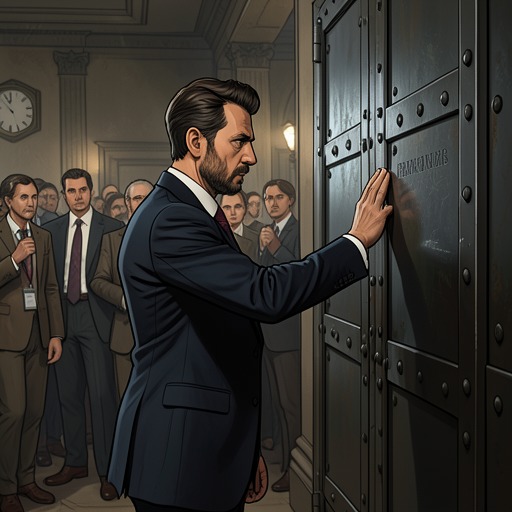
[Rié](entity:character-recall-character-ri-ede11ef64123) contacts [Kido](entity:character-recall-character-kido-40d360729a61), who is surprised to learn that the woman he once represented has married again and that her husband has died under another man’s identity. He agrees to help with inheritance issues and investigate the mystery, while recognizing that official records appear to support the false identity.
Kido meets [Kyoichi](entity:character-recall-character-kyoichi-b1adbc16a0bf) in [Shibuya](entity:location-recall-location-630a8203ac51) and hears his suspicions that Daisuké may have been murdered or abducted. Kyoichi’s callousness toward his brother and his desire to protect the family inn make Kido question the reliability of his account.
late 2012
The Case Haunts Kido
Back home in [Yokohama](entity:location-recall-location-04ec9eddd516), [Kido](entity:character-recall-character-kido-40d360729a61) reflects on the mystery while trying to inhabit his ordinary life as [Kaori](entity:character-recall-character-kaori-857b20fbdf57)’s husband and [Sota](entity:character-recall-character-sota-8ae65c61b2dd)’s father. The possibility of becoming someone else begins to exert an unsettling pull, even as he insists to himself that he is happy with the life he has.
The case also sharpens his thoughts about the past, love, and identity: the past explained in words cannot be the past itself, and the man [Rié](entity:character-recall-character-ri-ede11ef64123) loved may have been truthful in feeling while false in biography. Kido begins calling the unknown husband X, a convenient label that he knows distances him from the man’s humanity.
January 2013
Meeting Misuzu
[Kido](entity:character-recall-character-kido-40d360729a61) tracks down [Misuzu Goto](entity:character-recall-character-misuzu-goto-0ffd65aaefb8), who works part-time at [Sunny](entity:location-recall-location-sunny-baf510a0dca5) in Arakicho. She does not recognize the photograph of X, but gives Kido photographs of the real Daisuké and describes their high-school connection and later romance.
[Misuzu](entity:character-recall-character-misuzu-828ca8dee95b) says Daisuké and [Kyoichi](entity:character-recall-character-kyoichi-b1adbc16a0bf) were once close, but their parents’ indecision over the inn’s succession put Daisuké’s life on hold. She believes the brothers’ conflict was rooted less in simple sibling hatred than in their parents’ treatment of them and their differing expectations.
January 2013, during Kido’s meeting with Misuzu
The Past of the Donor Crisis
[Misuzu](entity:character-recall-character-misuzu-828ca8dee95b) confirms that Daisuké vanished after his father’s funeral and that the liver-donation crisis had deeply wounded him. She believes Daisuké would have denied being pressured to donate, even if his family and father had made him feel responsible for saving his father.
She recalls [Kyoichi](entity:character-recall-character-kyoichi-b1adbc16a0bf) belittling Daisuké’s fear of the operation and calling the risk insignificant. Her account makes [Kido](entity:character-recall-character-kido-40d360729a61) more sympathetic to the missing man and deepens his determination to find him, while Misuzu worries aloud that he may have met a violent end.
January 2013, later in the meeting
A Conversation About Identity
When the bar’s owner suggests a North Korean abduction, [Kido](entity:character-recall-character-kido-40d360729a61) explains a historical case in which an agent assumed the identity of a missing Japanese man. The conversation touches a nerve because Kido is third-generation Zainichi and has recently become more aware of anti-Korean hostility.
He corrects [Takagi](entity:character-recall-character-takagi-ec1ac7dcf904)’s confused claims about North and South Korea, then tells [Misuzu](entity:character-recall-character-misuzu-828ca8dee95b) that the present case has no obvious connection to espionage. The exchange makes Kido feel the shared vulnerability of people whose Japanese identity is questioned, but he is careful not to confuse that personal resonance with evidence.
late February 2013
The Legal Records Restored
[Kido](entity:character-recall-character-kido-40d360729a61) visits [Rié](entity:character-recall-character-ri-ede11ef64123) in Miyazaki and proposes correcting the family-register records. He tells her that the life-insurance payment belongs to the man who paid the premiums, despite the false name on the documents.
At the [Miyazaki Family Court](entity:location-recall-location-342f1b134b44), Kido seeks to reverse the recorded death of [Daisuké Taniguchi](entity:character-recall-character-daisuk-taniguchi-8288a2941092) and remove the false marriage from Rié’s register. A DNA test is needed to establish that her late husband was not the real Daisuké, and the legal remedy will also leave [Hana](entity:character-recall-character-hana-34a0bd7a88cd) illegitimate in the eyes of the law.
after Kido’s visit, before August 2013
Rié’s Question About Death
As the investigation continues, [Rié](entity:character-recall-character-ri-ede11ef64123) struggles with the question of whose death she has mourned. Her husband lived under another man’s name and told another man’s life story, but the death itself, she believes, cannot be exchanged or transferred.
She refuses to call him X, seeing the label as an insult to a person whose true name remains unknown. At the altar she remembers calling him “Daisuké-kun,” and wonders whether her love had been addressed to the wrong name even in their most intimate moments.
August 2013, after the court ruling
Yuto Objects to a Name Change
The court grants [Kido](entity:character-recall-character-kido-40d360729a61)’s petitions, restoring the real Daisuké to the register as living and removing the false marriage from [Rié](entity:character-recall-character-ri-ede11ef64123)’s records. Rié returns to her maiden name, but [Yuto](entity:character-recall-character-yuto-fd4a78b4b405) is distressed by the prospect of losing the Taniguchi name that has become his own.
He explains that his second father was kinder to him than his first and fears that a name change will erase their bond. He finally admits how much he misses the man and asks Rié not to let the family forget him. Rié agrees that Yuto can keep Taniguchi, though she must use Takemoto for legal reasons.
autumn 2013
The Family’s Cherry Tree
[Rié](entity:character-recall-character-ri-ede11ef64123) takes her mother, [Yuto](entity:character-recall-character-yuto-fd4a78b4b405), and [Hana](entity:character-recall-character-hana-34a0bd7a88cd) to Burial Mound Park to see the cosmos flowers. Yuto, who has grown quiet and immersed himself in books, remembers the family’s chosen cherry trees and confronts Rié about failing to make a grave for his father.
Rié tells him that the man’s name was not truly [Daisuké Taniguchi](entity:character-recall-character-daisuk-taniguchi-8288a2941092) and that the story of the family in Ikaho belonged to someone else. Yuto is shaken to learn that the father he loved lied about his past, but the revelation begins the honest conversation he has been demanding.
2013, after the family-register ruling
Kido’s Marital Crisis Deepens
[Kido](entity:character-recall-character-kido-40d360729a61)’s marriage to [Kaori](entity:character-recall-character-kaori-857b20fbdf57) has become strained by silence, disagreements about parenting, and their different responses to public life and the aftermath of the 2011 disaster. His trip to Miyazaki has fueled Kaori’s suspicion that he may be unfaithful, while Kido feels increasingly disconnected from her.
At the same time, Kido’s work exposes him to grief and social vulnerability: he handles a product-injury suit and a death-by-overwork case, while revisiting his own fears about identity, mortality, and his Zainichi background. Investigating X becomes an indirect way of approaching questions he cannot face directly.
during Kido’s first Miyazaki visit, before the autumn of 2013
Kido’s First Masquerade
Alone in Miyazaki after a meeting with [Rié](entity:character-recall-character-ri-ede11ef64123), [Kido](entity:character-recall-character-kido-40d360729a61) visits a bar and tries on [Daisuké Taniguchi](entity:character-recall-character-daisuk-taniguchi-8288a2941092)’s story as if it were his own. He tells the bartender about the inn, his elder brother, and the family rupture, discovering an intoxicating sense of connection as the stranger believes him.
The experience excites and unsettles him. When he meets Rié the next day, her distress over the deception makes him feel guilty for turning her husband’s life into a private game, even though the masquerade has brought him closer to the questions that haunt him.
late 2013
A Search Through the Registers
[Kido](entity:character-recall-character-kido-40d360729a61) investigates the history of [Japan](entity:location-recall-location-japan-2b426de89e42)’s family-register system and considers whether X might have been unregistered or hiding a criminal record. A case from 2007 involving a broker who arranged register swaps points him toward [Norio Omiura](entity:character-recall-character-norio-omiura-0ccf2dc17e97), then imprisoned at [Yokohama Prison](entity:location-recall-location-ec87d50a9fee).
[Omiura](entity:character-recall-character-omiura-705276a92aeb) recognizes the story of the second son from Ikaho but evades Kido’s questions with bizarre stories, crude jokes, and hints that the exchange was not a simple swap but “identity laundering.” He tells Kido to bring a tabloid and a Heart Sutra, then repeatedly refuses to explain what he knows.
late 2013
Omiura’s Postcards
After [Kido](entity:character-recall-character-kido-40d360729a61) pauses his visits, [Omiura](entity:character-recall-character-omiura-705276a92aeb) sends a sequence of hand-drawn postcards: first copied nude images, then a bodhisattva, then more erotic drawings. One contains the names [Daisuké Taniguchi](entity:character-recall-character-daisuk-taniguchi-8288a2941092) and Yoshihiko Sonézaki, which Kido interprets as a clue to a chain of identity exchanges.
Omiura calls Kido a “chump” for failing to understand the message. Kido cannot tell which parts of the man’s performance are manipulation and which are genuine distress, but the postcards push the investigation toward a possible identity for X.
December 2013
The Death-Row Art Exhibition
[Kido](entity:character-recall-character-kido-40d360729a61) visits an exhibition of art by death-row prisoners in [Shibuya](entity:location-recall-location-630a8203ac51), drawn partly by his interest in [Omiura](entity:character-recall-character-omiura-705276a92aeb)’s drawings. The pieces make him consider art as a declaration of existence by people whom the state is preparing to erase.
A nonfiction writer challenges the organizers for displaying perpetrators’ work without representing victims. During the talk, Kido sees landscapes that remind him of X’s sketches, then learns that their artist was Kenkichi Kobayashi, executed for a notorious murder and arson case.
December 2013, at the end of the exhibition
X’s Face in the Exhibition
After the talk, [Sugino](entity:character-recall-character-sugino-813d0c262abf) identifies a photograph on [Kido](entity:character-recall-character-kido-40d360729a61)’s phone as Kenkichi Kobayashi. The face resembles X, and the landscapes beside it closely match X’s style, making Kido suspect that the dead husband was Kobayashi’s son.
The connection is still only a hypothesis, but Kido sees a possible reason for X’s desire to escape his past. The identification redirects the investigation from an ordinary family-register scam toward the inherited stigma and trauma surrounding a notorious crime.
December 2013
Kobayashi’s Son
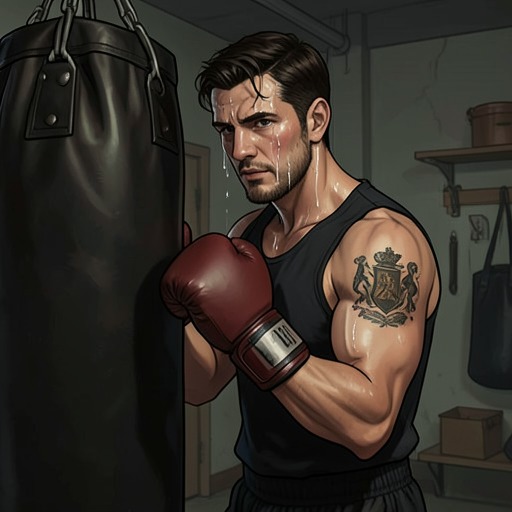
[Sugino](entity:character-recall-character-sugino-813d0c262abf) tells [Kido](entity:character-recall-character-kido-40d360729a61) that Kenkichi Kobayashi’s son, [Makoto Hara](entity:character-recall-character-makoto-hara-87bf3584225c), was born in the same year as Kido. After the 1985 murders, Hara and his mother were driven from place to place; as an adult, he became a boxer, won the East [Japan](entity:location-recall-location-japan-2b426de89e42) Rookie King title, then withdrew before a major championship and vanished.
Hara later became a habitual shoplifter and was represented by [Kadosaki](entity:character-recall-character-kadosaki-94c02277c88d), who had believed his name and background. Kido learns that Hara served time at [Yokohama Prison](entity:location-recall-location-ec87d50a9fee) alongside [Omiura](entity:character-recall-character-omiura-705276a92aeb), prompting him to suspect that the man known as X was the real Makoto Hara.
2014年初
冒牌的原诚
[Kadosaki](entity:character-recall-character-kadosaki-94c02277c88d) arranged a meeting between Kato and the man who had been living under the name Genichiro Hara. This man was significantly older than his official records indicated, and he stated his birth name was [Shozo Tashiro](entity:character-recall-character-shozo-tashiro-182be7b4d957). He confirmed that he had exchanged his household registration for financial
2013年12月下旬
尾浦揭露自己也在说谎
[Kido](entity:character-recall-character-kido-40d360729a61) carries new clues again to find [Omiura](entity:character-recall-character-omiura-705276a92aeb), but Omiura mocks his reasoning, saying he thinks the prisoner's name is real, which is naive. He says his own identity might also be borrowed, and reminds Kido that he is looking for an ordinary, unremarkable person
1995—1998年,木户调查期间回忆起
原诚的童年与拳击
[Kido](entity:character-recall-character-kido-40d360729a61) went to the boxing club where Haruhisa originally trained, Higashinakano. The club manager, [Kosuge](entity:character-recall-character-kosuge-36a0eb8e8219), and retired boxer [Yanagisawa](entity:character-recall-character-yanagisawa-093fc93afb32) recognized X as Haruhisa, describing him as quiet, sharp, disciplined, and gifted. Haruhisa had been bullied
原诚赢得东日本新人王头衔之后
退出冠军赛
After winning the East [Japan](entity:location-recall-location-japan-2b426de89e42) Newcomer King Tournament, Hiraoka originally planned to participate in the All Japan Championship, but he wanted to withdraw. He was afraid of being noticed and felt he was not worthy of success, because his father killed a boy who was once his friend
2013年末
木户对自己的愤怒
One morning, Kitah became impatient with [Sota](entity:character-recall-character-sota-8ae65c61b2dd) and, in anger, hit his son's head, or grabbed his head. Then he realized that his hands could also inflict violence. This shattered his belief—that he was different from parents who abused their children, whom he had come into contact with morally
2013年末,木户发脾气之后
父亲的安慰
Before going to bed, [Sota](entity:character-recall-character-sota-8ae65c61b2dd) asked Kudo, if there were a perfect copy of him, how would Kudo tell the real him from the copy. Kudo replied that their shared memories would let him recognize his son, including the experience of the family trip to Hawaii
2014年初
木户与香织交谈
[Kido](entity:character-recall-character-kido-40d360729a61) Masaki told about his investigation into Genichiro. He admitted that by stepping into another man's life story, he could indirectly face his own troubles. He said he hoped their marriage could continue, while admitting he had always felt unable to deal directly with the issues between them. Masaki
2007年以前,木户还原的经过
原诚的身份交换
Mikado inferred that Genzou originally changed his original identity to Yoshihiko Sonézaki, later meeting the real [Daisuké Taniguchi](entity:character-recall-character-daisuk-taniguchi-8288a2941092) and swapping identities. Daisuké wanted to cut ties with his family, while Genzou wanted to escape the stigma of being
2014年初
重新拼凑原诚的人生
[Kido](entity:character-recall-character-kido-40d360729a61) wrote a long narrative connecting the clues of the paintings in prison, Tashiro's testimony, and the memories of the members of the boxing club. He did not treat the investigation as a factual archive, but rather tried to reconstruct a life detail deliberately obscured. This work slightly relieved Kido
1985年,2014年又有所反思
杀人犯的儿子
[Kido](entity:character-recall-character-kido-40d360729a61) researched the life of Kobayashi Kenji. Kobayashi grew up in poverty and violence, and later, when he robbed in Shijima, he killed a familiar from a construction company, his wife, and their child. Kobayashi was executed, and his young son
1997—1998年,Yanagisawa回忆
对受害者家属的提议
[Yanagisawa](entity:character-recall-character-yanagisawa-093fc93afb32)'s boxing coach advised Yanagisawa to meet the surviving family members of the boy killed by Kobayashi, hoping their acceptance would help Yanagisawa overcome his shame and live a better life. Yanagisawa believed that this proposal would only deepen Yanagis
2013年末
美铃参加反示威
[Kido](entity:character-recall-character-kido-40d360729a61) saw the anti-Korean protests on TV and recognized Mei Ling among the protesters. She fulfilled her promise to attend on his behalf and stood up to face the hatred he had always remained detached from. This scene shook Kido's judgment of her motives and made him reevaluate his responsibility as a
2014年初
遗漏的消息
Mitsuru told [Kido](entity:character-recall-character-kido-40d360729a61) that someone reported the fake Daisuké Facebook account, and she had already stopped posting on it. When she checked old message requests, she found a warning from Yoichi Furusawa, who claimed to be a legal representative, demanding the account be deleted. Mits
2014年初
匿名网络通话
The man who claimed to be an agent agreed to talk to Kitah via a video call over the internet, but never opened his own camera. His hesitant voice and awkward legal language made Kitah suspicious that he himself was Daisuké, living under a different name. The man confirmed that the
2014年3月
名古屋会面
[Kido](entity:character-recall-character-kido-40d360729a61) Kazumi and [Kyoichi](entity:character-recall-character-kyoichi-b1adbc16a0bf) went to [Nagoya](entity:location-recall-location-b7487b44bf2b) to meet the man who called himself Yoshihiko Sonézaki. Before the meeting, Kazumi explained that after the bar owner started pursuing her, she left [Sunny](entity:location-recall-location-sunny-baf510a0dca5). Kyoichi kept in touch with her under the pretense of
March 2014, on the train to Nagoya
Love Renewed
[Misuzu](entity:character-recall-character-misuzu-828ca8dee95b) asks why [Makoto Hara](entity:character-recall-character-makoto-hara-87bf3584225c) adopted Daisuké’s life rather than inventing a past of his own. [Kido](entity:character-recall-character-kido-40d360729a61) suggests that Hara may have entered Daisuké’s story as a reader enters a novel, using another person’s trauma to find a way into his own feelings.
When they consider whether [Rié](entity:character-recall-character-ri-ede11ef64123)’s love can survive discovering that her husband’s past belonged to someone else, Misuzu says love is renewed repeatedly over time. Her certainty moves Kido, who understands that love can persist through transformation rather than remain untouched by it.
March 2014
Daisuké Revealed Alive
At a Komeda’s Coffee in [Nagoya](entity:location-recall-location-b7487b44bf2b), [Kido](entity:character-recall-character-kido-40d360729a61) meets the man behind the black screen and recognizes the real [Daisuké Taniguchi](entity:character-recall-character-daisuk-taniguchi-8288a2941092). Daisuké asks to be called Sonézaki and describes how, after a family-register swap, he gradually came to feel like a different person, leaving the Taniguchis behind by replacing his past with another’s.
He confirms that he exchanged identities with Hara, who had first been living as Sonézaki. Hara wanted to escape the stigma of his father’s crimes, while Daisuké wanted to cut himself off from his family. Their exchange was not a murder plot but a mutual decision shaped by the hope of beginning again.
March 2014, during the Nagoya meeting
Daisuké’s Regret
Daisuké tells [Kido](entity:character-recall-character-kido-40d360729a61) that he knew Hara’s background and believed his own clean past might help Hara start over. He remembers Hara as pure and kind, and says the man seemed desperate to leave behind the life that had trapped him.
Daisuké, however, is now poor and isolated, unwilling to return to the Taniguchis despite his mother’s longing to see him. He is jealous that Hara built a happy family with [Rié](entity:character-recall-character-ri-ede11ef64123), and he admits that he has long imagined [Misuzu](entity:character-recall-character-misuzu-828ca8dee95b) beside him at the end of his life. Kido sees how the fantasy of exchanging lives has left Daisuké with a complicated mixture of relief and regret.
March 2014, before Misuzu arrives
Kido Leaves the Reunion
When [Misuzu](entity:character-recall-character-misuzu-828ca8dee95b) is minutes away, Daisuké asks [Kido](entity:character-recall-character-kido-40d360729a61) whether she is still beautiful and whether she is married. Kido confirms that she is coming, then decides he cannot bear to watch their reunion and leaves the café.
The decision exposes Kido’s jealousy and his awareness that the man he has been investigating is not the romantic figure he imagined. He shakes Daisuké’s hand and wonders which identity is present in its rough, clammy touch: the man who left his family, the man who exchanged with Hara, or the man who now calls himself Sonézaki.
April 2014
Kido Explains Hara’s Life
[Kido](entity:character-recall-character-kido-40d360729a61) writes up the results of his investigation and travels to Miyazaki to deliver them to [Rié](entity:character-recall-character-ri-ede11ef64123) in person. He also visits [Ito](entity:character-recall-character-ito-3b46a16de933), who shows him a forestry site and recalls the man known locally as Daisuké as diligent, physically resilient, and earnest in his drawings.
Standing in the rain among the cryptomeria, Kido imagines Hara’s ordinary happiness with Rié and the children. He finally feels that he has come face-to-face with the man he had spent so long pursuing from behind, and recognizes how strongly he wished they could have met.
three days after Kido’s visit
Rié Tells Yuto the Whole Story
[Rié](entity:character-recall-character-ri-ede11ef64123) asks [Yuto](entity:character-recall-character-yuto-fd4a78b4b405) whether he wants to know the truth about his father. He reads [Kido](entity:character-recall-character-kido-40d360729a61)’s report and learns that the man he loved was [Makoto Hara](entity:character-recall-character-makoto-hara-87bf3584225c), the son of an executed murderer, rather than the real [Daisuké Taniguchi](entity:character-recall-character-daisuk-taniguchi-8288a2941092).
Yuto says he feels sorry for Hara and understands that his stepfather may have cared for him partly by giving him the kindness he had wished to receive from his own father. He and Rié agree that the family should use the Takemoto name and that [Hana](entity:character-recall-character-hana-34a0bd7a88cd) should be protected from the full story until she is old enough to understand.
after Yuto reads Kido’s report
A Name for the Dead
[Rié](entity:character-recall-character-ri-ede11ef64123) reflects on the years when she loved the man called Daisuké and wonders whether she could have loved Makoto had she known his history from the start. She cannot answer, but understands that the false story carried real pain and that their love produced a daughter and a family.
She and [Yuto](entity:character-recall-character-yuto-fd4a78b4b405) decide to place Hara’s ashes in the same grave as [Ryo](entity:character-recall-character-ryo-6bf12fe067aa) and Rié’s father, so none of them will be alone. Rié apologizes for keeping the truth from Yuto, and he asks her to tell him if she ever needs to talk, turning the revelation into a new foundation for their relationship.
three days before Kido’s final visit to Rié
A Family’s Ordinary Day
[Kido](entity:character-recall-character-kido-40d360729a61) spends a spring day with [Kaori](entity:character-recall-character-kaori-857b20fbdf57) and [Sota](entity:character-recall-character-sota-8ae65c61b2dd) at [Tokyo Skytree](entity:location-recall-location-42272f1c1564), where they abandon the long wait for the observation deck and visit the aquarium instead. Their family jokes together over lunch, and Kido feels how much he wants to remain present in the life he has built.
When Sota uses Kaori’s phone, a Line notification from her boss appears, decorated with hearts and the words “Last Night.” Kido swipes it away without confronting her, as though the message need not become part of memory. The moment quietly threatens the tentative repair in their marriage without resolving what it means.
April 2014, on Kido’s flight to Miyazaki
Narcissus and the Past
[Kido](entity:character-recall-character-kido-40d360729a61) reads Ovid’s Metamorphoses while trying to answer [Sota](entity:character-recall-character-sota-8ae65c61b2dd)’s old question about why [Narcissus](entity:character-recall-character-narcissus-8ac539c49d81) became a flower. He sees the myth as more than a warning about self-love: Narcissus must look at a violent origin that made his existence possible but cannot be undone.
Kido connects Narcissus’s wish to leave his own body with Hara’s longing to escape the body that resembled his father’s. Hara’s attempt to become someone else may have begun as a way to love himself and to become someone worthy of love.
April 2014, during Rié’s meeting with Kido
Happiness as Hara’s Inheritance
[Kido](entity:character-recall-character-kido-40d360729a61) gives [Rié](entity:character-recall-character-ri-ede11ef64123) his account of [Makoto Hara](entity:character-recall-character-makoto-hara-87bf3584225c)’s life and tells her that the years Hara spent with her were probably the first time he knew true happiness. He believes their life together was the culmination of Hara’s long effort to survive and begin again.
Rié finds the thought deeply reassuring. She considers calling her husband Makoto at last, believing that he had wanted her to love the whole of him rather than the borrowed name. His lies remain part of their history, but they no longer erase the reality of their affection.
near the novel’s ending
A Quiet Reconciliation
After [Kido](entity:character-recall-character-kido-40d360729a61) completes the investigation, he sees a psychologist once but does not return. [Kaori](entity:character-recall-character-kaori-857b20fbdf57) also avoids counseling, yet Kido notices that she has become less harsh with [Sota](entity:character-recall-character-sota-8ae65c61b2dd) and that both spouses are trying, imperfectly, to repair the atmosphere at home.
The novel closes without a dramatic resolution of every uncertainty. Kido’s investigation has given [Rié](entity:character-recall-character-ri-ede11ef64123) and [Yuto](entity:character-recall-character-yuto-fd4a78b4b405) a name for their loss, while Kido himself remains in his marriage with a renewed awareness of its fragility and of the ordinary life he does not want to abandon.